Transforming a building into a comfortable, energy-efficient environment requires a smart approach. Among the most effective solutions, insulation with fiberglass stands out, offering innovation, reliability, and long-lasting performance. Homeowners, builders, and architects searching for value-driven insulation will discover a world of advantages in this versatile material.
Why Choose Insulation with Fiberglass for Modern Living?
When it comes to creating a barrier against temperature fluctuations, insulation with fiberglass leads the way. This material is renowned for its ability to deliver both thermal and acoustic benefits, making it a preferred choice for new constructions and renovations alike.
Fiberglass insulation adapts effortlessly to different building layouts, enabling precision installation even in complex spaces. Its composition crafted from fine glass fibers ensures safety, durability, and consistent results over time. As a result, residents enjoy year-round comfort and energy savings, with minimal maintenance required.
Unique Advantages of Insulation with Fiberglass
Selecting the right insulation impacts not just comfort but also long-term property value. Here’s what makes this solution exceptional:
- Adaptable Application: Whether for walls, ceilings, or floors, fiberglass insulation delivers optimal performance in any setting.
- Moisture Resistance: The unique structure of the material prevents mold growth, enhancing indoor air quality.
- Enhanced Acoustics: The dense glass fibers absorb unwanted noise, resulting in quieter interiors.
- Fire Safety: Engineered to resist flames, fiberglass loft insulation adds an extra layer of protection.
- Eco-Conscious Choice: Many options are manufactured using recycled glass, contributing to sustainable construction.
How Does Fiberglass Insulation Work?
The science behind insulation fiberglass lies in its microscopic web of glass strands. These fibers trap pockets of air, minimizing heat transfer between interior and exterior environments. As a result, homes stay warmer in the winter and cooler in the summer, reducing the strain on heating and cooling systems.
Additionally, the material’s density acts as a sound barrier. Fiberglass as sound insulation can be installed in walls or ceilings to create peaceful living spaces, free from disruptive external noises. For those seeking privacy or a tranquil atmosphere, fiberglass wool offers an effective and affordable solution.
Exploring Types of Fiberglass Insulation
Various forms are available to suit specific project needs:
1. Batt Insulation
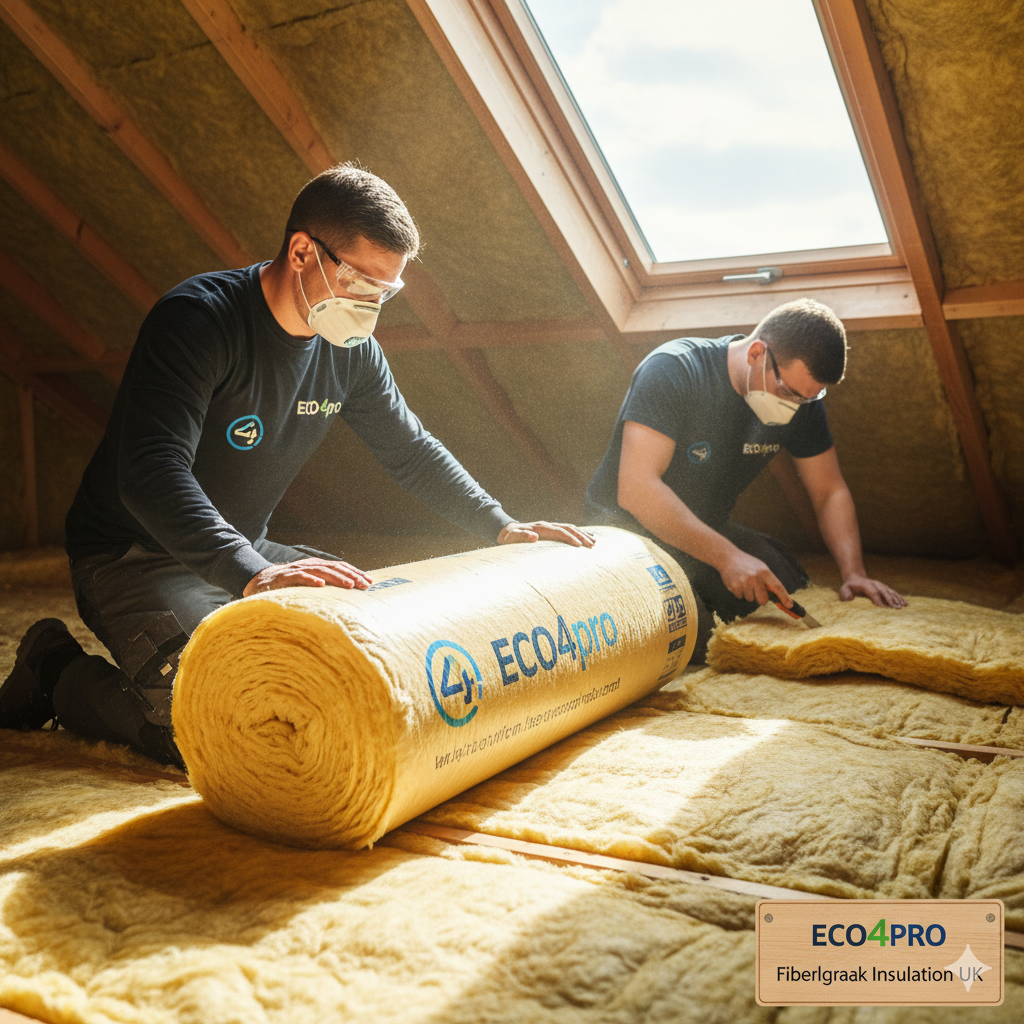
Pre-cut panels designed for quick installation between studs, rafters, and joists. Fiberglass batt attic insulation is ideal for attics, crawl spaces, and unfinished walls, offering excellent coverage and ease of handling.
2. Glass Fiber Insulation Rolls
Flexible rolls can be trimmed to fit irregular spaces, making them suitable for large or awkwardly shaped areas. This option provides seamless protection with minimal waste.
3. Loose-Fill Fiberglass
Loose fibers are blown into cavities using specialized equipment, perfect for retrofitting existing structures. This method fills gaps thoroughly, boosting energy efficiency.
4. Fiberglass Insulation for Pipes
Specialized wraps safeguard plumbing against temperature extremes, reducing the risk of freezing and heat loss.
5. Fiberglass Soundproof Solutions
Engineered for noise reduction, these products are applied in studios, theaters, or any space where acoustic control is essential.
Five Distinctive Benefits of Insulation with Fiberglass
- Long-Term Performance: Maintains its integrity for decades, resisting settling or compression.
- Non-Combustible: Reduces fire hazards, meeting stringent safety standards.
- Mold and Mildew Resistance: Keeps indoor environments healthier and fresher.
- Custom Fit: Easily shaped to unique architectural features, ensuring comprehensive coverage.
- Sustainability: Many options incorporate recycled materials, supporting green building goals.
Installation Tips for Fiberglass Insulation
Proper installation enhances the effectiveness of Best insulation fiberglass. Begin by wearing protective gear gloves, masks, and goggles to avoid irritation. Measure spaces accurately and cut the material to fit snugly without compressing it. Pay special attention to corners, edges, and around fixtures, ensuring there are no gaps that could compromise performance.
Professional installers can deliver flawless results, but DIY enthusiasts may also tackle smaller projects with success. Always consult local building codes and safety guidelines for optimal outcomes.
Acoustic Excellence: Fiberglass as Sound Insulation
Beyond temperature regulation, insulation with fiberglass is a powerful tool for acoustic management. Its dense structure absorbs airborne sound, reducing echoes and creating a serene environment. Whether in homes, offices, or entertainment venues, fiberglass soundproof panels contribute to comfort and productivity.
Energy Efficiency and Cost Savings
Opting for insulation with fiberglass results in tangible savings. By minimizing thermal transfer, heating and cooling demands are reduced, lowering utility bills. Over time, the investment pays for itself, especially when combined with other energy-efficient upgrades.
In addition, fiberglass batt attic insulation helps prevent ice dams in the winter and keeps interiors cool in the summer, preserving the integrity of building materials and extending the lifespan of roofs.
Health and Safety Considerations
Modern insulation with fiberglass is designed for safety and health. Advances in manufacturing have reduced irritants, making today’s products safer to handle and install. Still, protective measures are recommended during installation. Once in place, the material poses no risk to indoor air quality and does not off-gas harmful substances.
Choosing insulation with fiberglass is a forward-thinking decision for anyone seeking lasting comfort, enhanced energy efficiency, and a quieter living environment. Its unmatched versatility, safety, and sustainability set it apart in the realm of modern insulation solutions.
FAQs
1. How does fiberglass insulation improve energy efficiency?
Answer: By reducing heat transfer, glass fiber insulation keeps interiors comfortable and lowers utility bills.
2. Is fiberglass loft insulation effective for soundproofing?
Answer: Yes, it absorbs airborne noise, making it ideal for quiet, peaceful rooms.
3. What are the benefits of fiberglass wool in walls?
Answer: It offers thermal protection and prevents moisture buildup inside wall cavities.
4. Can batt insulation be installed in basements?
Answer: Absolutely, batt insulation fits snugly in basement walls, helping control temperature and dampness.
5. Why choose fiberglass insulation for pipes?
Answer: It shields pipes from freezing and heat loss, preserving plumbing efficiency.
6. Does fiberglass soundproof material work in home theaters?
Answer: Yes, fiberglass soundproof panels are excellent for blocking external noises in entertainment spaces.
7. How long does fiberglass batt attic insulation last?
Answer: With proper installation, fiberglass batt attic insulation remains effective for decades.