As the world pivots toward cleaner energy, installing solar panels on flat roof properties stands out as an efficient, forward-thinking choice. Whether you own a contemporary city building or a renovated classic, flat roofs present unique opportunities for harnessing solar energy transforming passive surfaces into silent powerhouses.
Installing Solar Panels on Flat Roof: Unveiling the Potential
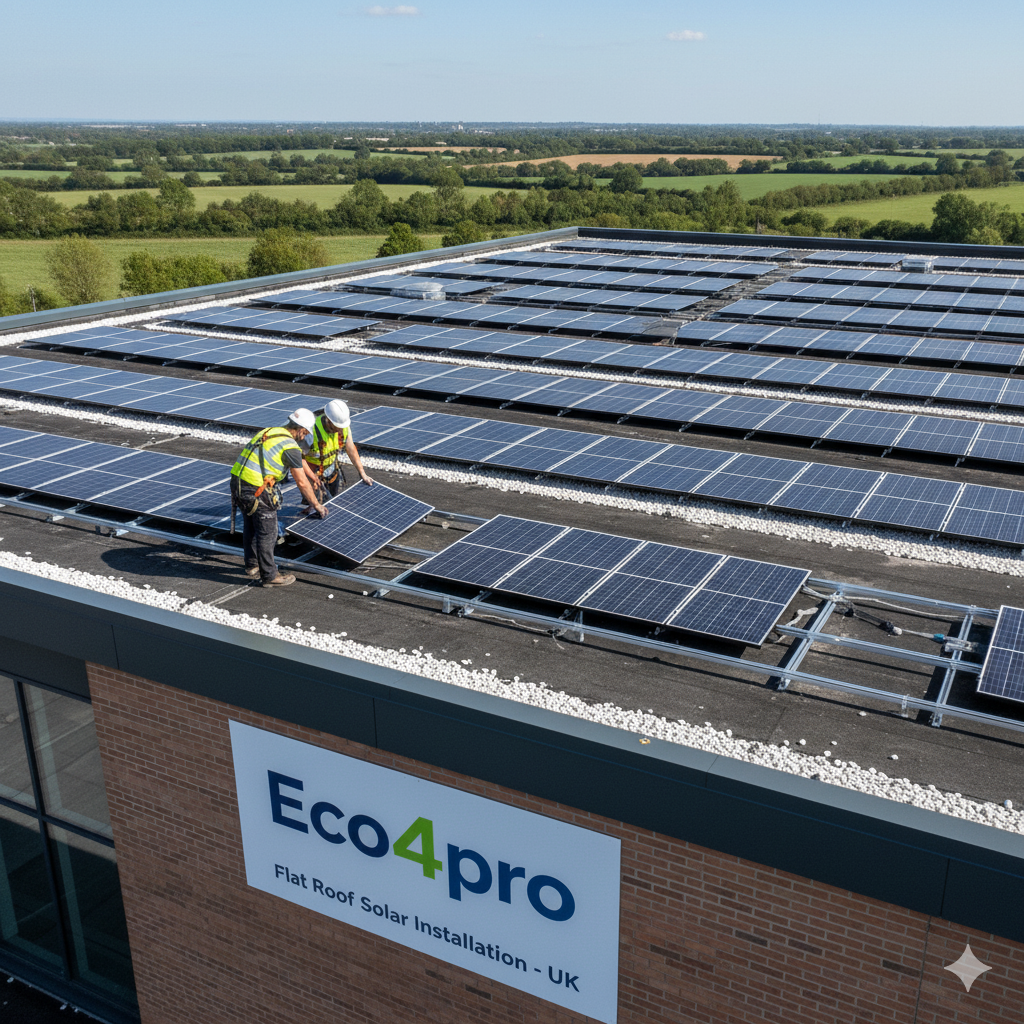
Flat roofs often go underutilized, yet they’re perfectly suited for solar arrays. Unlike sloped surfaces, flat roofs allow for optimal panel positioning and flexible design. This flexibility ensures you capture maximum sunlight throughout the year, boosting efficiency and long-term returns.
Why Choose Flat Roofs for Solar Energy?
Solar specialists often highlight several advantages:
- Customizable Tilt: Installers can angle panels to exact specifications, optimizing seasonal output.
- Minimal Shade Interference: Fewer obstructions mean fewer shadows, translating to greater energy yield.
- Easier Maintenance: Accessing panels on a flat surface is safer and simpler, making cleaning and inspections hassle-free.
- Discreet Aesthetics: Panels sit low and blend seamlessly with the building’s silhouette.
- Future Expansion: Flat roofs offer ample space for scaling your solar system as energy needs evolve.
Design Considerations for Installing Solar Panels on Flat Roof
When planning installing solar panels on flat roof, thoughtful design is key. Key decisions include:
- Determining the ideal panel angle for your latitude.
- Arranging rows to minimize self-shading and maximize airflow.
- Ensuring mounting systems can withstand wind uplift and weather extremes.
Five Unique Bullet Points:
- Optimized Layout: Maximize every square meter with custom row alignment and tilt.
- Weather Resilience: Select mounting hardware designed for wind and snow loads.
- Low-Profile Installation: Keep panels nearly invisible from street view for a clean look.
- Modular Upgrades: Future-proof your system with easy add-ons for storage or extra panels.
- Comprehensive Monitoring: Enjoy real-time insights on system output and efficiency.
Installation Process: From Consultation to Activation
A typical project follows several critical steps:
- Site Assessment: Experts inspect the roof’s structure, confirming load-bearing capacity and identifying shading or access issues.
- System Design: Engineers create a layout tailored to your energy goals and property characteristics.
- Permit Approval: Navigating local codes and obtaining necessary permits ensures compliance.
- Mounting and Wiring: Secure, non-penetrating mounts protect the roof membrane, while careful wiring links panels to your inverter.
- Testing and Commissioning: Technicians verify all connections, monitor output, and calibrate the system for peak performance.
Financial Opportunities: Making Solar Affordable
Embracing solar doesn’t have to be overwhelming financially. Many regions offer support through solid wall insulation grants or renewable energy incentives. These programs can offset installation costs and accelerate your return on investment.
Integrating Solar with Other Home Upgrades
Pairing solar panels with insulation projects amplifies results. For example, using solid wall insulation techniques alongside solar reduces overall energy consumption, maximizing your system’s impact. If you’re curious, “what is solid wall insulation?”it’s a method for adding thermal layers to non-cavity walls, cutting heat loss and improving comfort.
Internal wall insulation for solid walls and internal insulation solid wall strategies can further boost efficiency, ensuring the energy you generate stays where it’s needed most.
Sustainability and Style: Solar as an Architectural Statement
Today’s solar technology seamlessly blends performance with aesthetics. Low-profile racks and integrated designs mean installing solar panels on flat roof adds both value and visual appeal. Modern materials ensure longevity, and solar panels can even enhance a building’s contemporary character.
Maintenance and Longevity
Solar arrays on flat roofs are easy to inspect and service. Regular cleaning and annual check-ups ensure sustained performance especially when paired with robust insulation. Insulation a solid wall minimizes temperature fluctuations, protecting both your home and solar investment.
Choosing installing solar panels on flat roof isn’t just a trend it’s a smart step toward independence, savings, and sustainability. By optimizing your roof, integrating insulation like solid wall insulation, and leveraging grants, you unlock the full potential of your property.
Frequently Asked Questions:
- How do you insulate a solid wall while preparing for solar?
Insulation specialists recommend completing wall upgrades before panel installation to streamline workflow and protect both investments. - How to insulate solid walls externally for best results?
Apply rigid boards and a protective render to the outside ideal for maximizing energy retention and supporting renewable upgrades. - Are there grants for solid wall insulation and solar panels together?
Some local programs now combine incentives check if you qualify for a grant for solid wall insulation as part of a holistic retrofit.