Modern living calls for sustainable choices, and nowhere is this more vital than in how we insulate our spaces. Natural insulations have swiftly become the gold standard for environmentally conscious homeowners, architects, and builders. As demand for greener solutions intensifies, these innovative materials stand out for their unparalleled performance, safety, and earth-friendly profile.
What Makes Natural Insulations Stand Out?
Natural insulations bring more than just warmth; they offer a blend of efficiency, sustainability, and health advantages. Unlike synthetic alternatives, these insulators harness the power of nature to regulate indoor climates, reduce energy use, and minimize environmental impact.
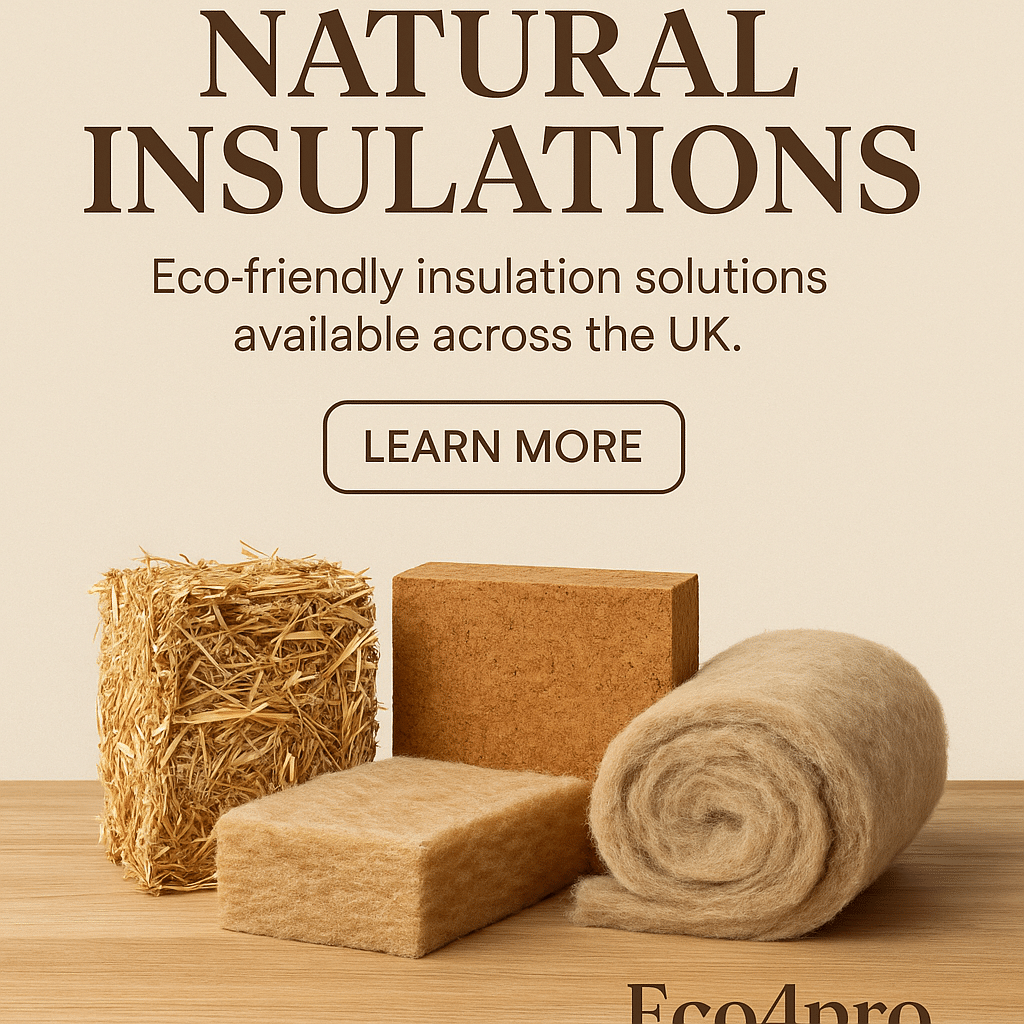
Exploring the Best Natural Insulation Materials
When searching for the best natural insulation, several remarkable options emerge. Each material boasts unique properties, making it essential to match the right product to your specific needs.
- Sheep’s wool loft insulation: Exceptional thermal performance and breathability, ideal for attics and roof spaces.
- Cork insulation for walls: Naturally fire-resistant, lightweight, and a champion at damp-proofing.
- Wood wool insulation: Combines flexibility with outstanding moisture regulation, perfect for retrofits.
- Natural fibre insulation: Made from renewable resources, offering both thermal and acoustic benefits.
- Wool fiber insulation: Resilient and adaptable, maintaining effectiveness even in variable climates.
Transforming Spaces with Spray Cork Insulation
Among the rising stars, spray cork insulation offers a truly versatile approach. Applied as a liquid that solidifies into a protective, seamless layer, it delivers superior coverage for irregular surfaces. Not only does it boost energy efficiency, but its unique texture also adds a modern touch to building exteriors and interiors.
Insulating Stone Walls with Natural Solutions
Stone walls, known for their durability, often present insulation challenges. Thankfully, insulating stone walls with natural products like cork and wood wool ensures these structures remain robust while benefiting from enhanced thermal control. The breathability of these materials safeguards against moisture buildup preserving both heritage and comfort.
The Science Behind Cork Insulation
Cork insulation harnesses the remarkable cellular structure of cork oak bark. This material traps air, creating an effective barrier against heat loss and unwanted noise. Its innate flexibility allows it to adapt to shifting walls, while its resistance to rot and pests ensures longevity—making it a favorite for eco-friendly renovations.
Why Choose Natural Wool Insulation?
The appeal of natural wool insulation lies in its adaptability and safety. Free from harmful chemicals, it is safe to handle and install, even in homes with children or allergy sufferers. Its moisture-wicking properties ensure it remains effective over time, and its ability to trap air pockets guarantees excellent insulation throughout the seasons.
Five Unique Advantages of Natural Insulations
- Eco-Friendly Production: Derived from renewable resources, with minimal processing.
- Superior Air Quality: No off-gassing or toxic emissions, promoting healthier indoor environments.
- Thermal Excellence: Outstanding heat retention and regulation across all climates.
- Sound Dampening: Exceptional acoustic properties for quieter living spaces.
- Long-Term Value: Durable with minimal maintenance, ensuring cost savings for years.
Natural Fibre Insulation: The Future of Green Building
Looking ahead, natural fibre insulation is shaping the future of sustainable construction. With growing awareness of environmental responsibility, architects and homeowners are turning to these materials to meet green building standards without sacrificing comfort or performance.
Wood Wool Insulation: Versatility and Strength
Wood wool insulation is a testament to nature’s ingenuity. Its layered structure not only provides remarkable insulation but also enhances fire resistance and structural support. Used in both modern and historic constructions, it adapts to diverse design needs while maintaining a low carbon footprint.
Important Instructions for Choosing Natural Insulations
Selecting the best insulation for your project means considering climate, building type, and budget. Researching products and consulting with experts ensures the right fit for your needs. Remember, important instructions include checking certifications and sustainability ratings to guarantee premium quality and long-term performance.
The Role of Brand Name in Natural Insulation Solutions
Innovation in this sector often comes from leading companies committed to sustainability. A trusted brand name ensures product consistency, ethical sourcing, and ongoing research—vital for clients who prioritize both planet and performance. Choosing a reputable provider means peace of mind for years to come.
Customizing Comfort with Natural Insulation Materials
Every home has unique requirements, and the flexibility of natural insulation materials enables tailored solutions. Whether enhancing an urban loft, retrofitting a heritage stone cottage, or building anew, these materials ensure cozy, energy-efficient spaces for generations.
Natural insulations represent more than a trend they are a movement toward responsible living. Their unmatched blend of performance, sustainability, and safety makes them the ideal choice for those who value both comfort and conscience. As innovation continues, expect these materials to lead the charge in the future of sustainable architecture.
FAQs
1. How does spray cork insulation improve energy efficiency in homes?
Spray cork insulation forms a seamless barrier, minimizing heat loss and helping maintain stable indoor temperatures.
2. What are the benefits of insulating stone walls with natural materials?
Insulating stone walls using natural solutions enhances thermal comfort and protects against moisture without compromising heritage value.
3. Why choose cork insulation for walls over synthetic options?
Cork insulation for walls offers superior breathability, sustainability, and resilience compared to many man-made alternatives.
4. Is sheeps wool loft insulation effective in humid climates?
Sheeps wool loft insulation naturally regulates moisture, making it ideal for areas with varying humidity levels.
5. What makes natural wool insulation environmentally friendly?
Natural wool insulation is biodegradable, renewable, and free from harmful chemicals, supporting healthier living spaces.
6. How does wood wool insulation contribute to soundproofing in buildings?
Wood wool insulation provides excellent acoustic absorption, creating quieter and more comfortable environments.
7. What are the advantages of using natural fibre insulation for renovations?
Natural fibre insulation adapts to existing structures, offering both thermal performance and a reduced ecological footprint.